Cost of a Home Addition in Houston – Marwood Construction
The cost of a home addition in Houston depends upon many complex factors. From the size of the house addition to the design and materials used to build it.
Although the cost of a house
addition is generally the most important ultimate factor in the owner’s
decision, the owner has control over the majority of the finish materials and
design.
So, the intent of this article
is to have a discussion about the comprehensive aspects that make up the total
cost of a home
addition.
We will discuss the following
content topics;
- The Motives for a House Addition
- Factors that Contribute to the Cost of a House Addition
- Financing the Home Addition
- Construction Documents of a House Addition
- Construction of House Additions
- Conclusion
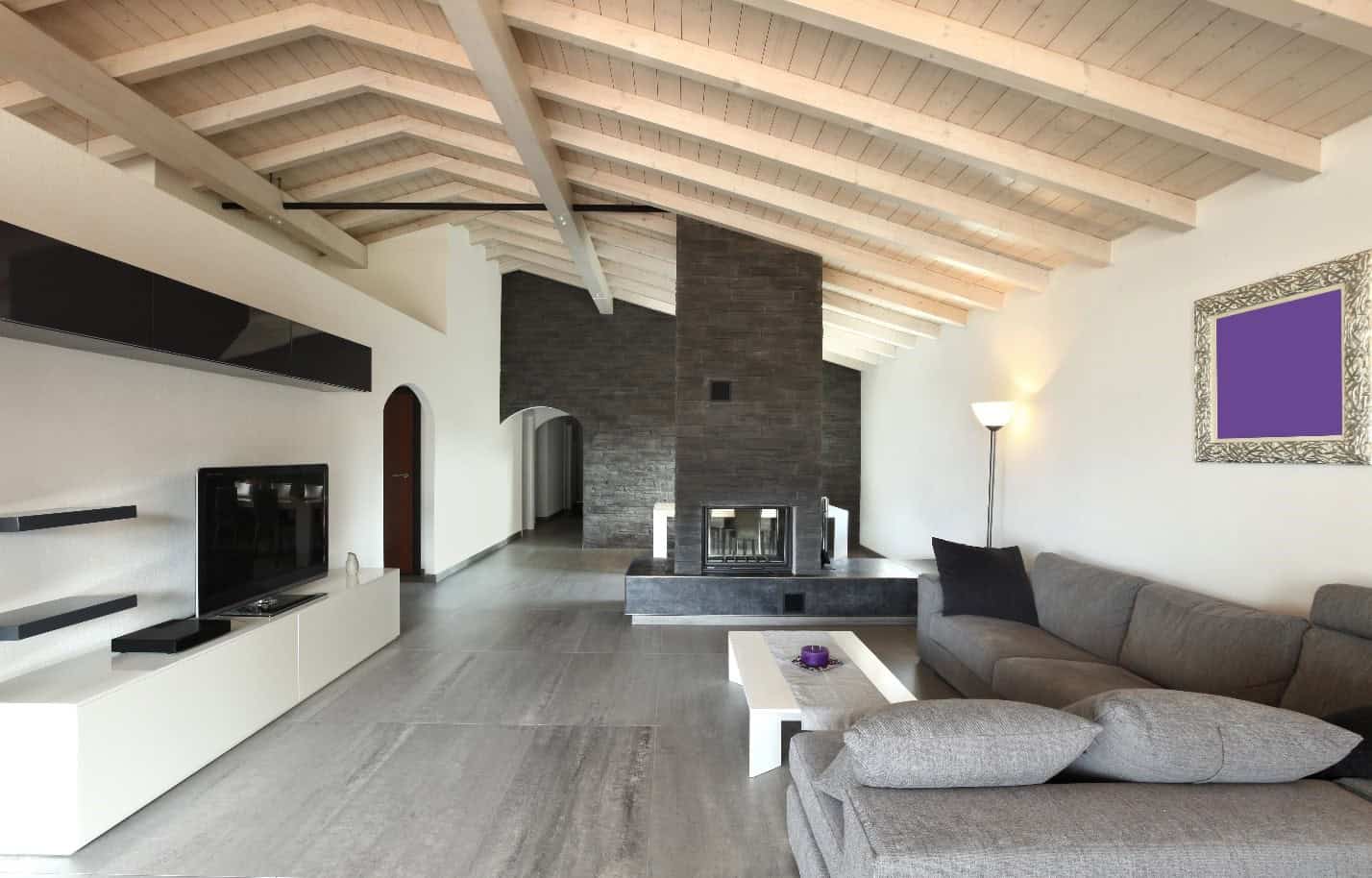
What are the Owners Motives for Home Additions
It is necessary to understand
the owner’s motives during planning
a home addition .
Understanding the motivations
of an owner for building house expansion greatly influences the expense and the
decision making of conducting the envelope expansion.
Most motives are tempered with
financial and emotional factors that are weighed as part of selecting their
housing needs. Many times, the motives are a combination of different factors.
Great Alternative to Moving
One of the more common
justifications for building
a house addition is that the owners have a need for more space
but the family cannot move.
There many reasons for this
situation such as, the owners can’t find a house in their price range or in a
school district that want to live.
The Houston
housing market prices can rapidly increase over a period of
time in certain areas which can make it difficult for a family the move to a
house close by. This causes an issue for the family to purchase a larger
residential property.
Building a room addition to
your existing property is a great solution to these kinds of problems.
Adding New Space
Another motive for expanding
the residence is for adding more space. These are improvement projects such as
adding a new garage or an outside living area.
Adding new space also include
front porch or a second story to the garage or house. These types of space
expansion general have a very specific justification for their need.
Revitalizing a Room
Revitalizing a room through
remodeling can also lead to considering a home expansion. This can be either
expanding the living space to the area of the house that is under roof, i.e.,
expanding the airconditioned space to a unairconditioned space.
In lower priced neighborhoods,
this is commonly done by using the garage, although most neighborhood deed restrictions
do not allow this.
Expanding the Size of the House
Another common motive for
a room
addition is the general need to expand the size of the house.
Couples that love their home and
are planning for a family or children with aging parents can have a need for
expanding the overall size of the house to accommodate their changing
lifestyle.
Increasing the House Value
Although increasing the house
value is not a common reason for expanding their residence, it is often a major
factor in the resolve to conduct a room expansion.
In most cases, during the house
addition planning if the project will not result in the
increasing of the overall property value, the project should be reevaluated.
This is important for analyzing the return on investment.
What are the Factors that Contribute to the Cost
of Home Additions
Much like there are many
motivations an owner may have to construct a home addition, there are many
factors that contribute to the cost of a home addition.

The Size and Type of House Additions
The most relevant cost factor
is the actual size of the expansion. This is due to the generally accepted
understanding that as the square footage increases so does the cost of
construction.
The type of house addition also
contributes to the expense of construction. It is widely known that rooms like
kitchens and bathrooms are more expensive than bedrooms or common spaces to
build.
Although if the expansion
involves a second story addon or a space that has a complex architectural
structure expansion, the owner should expect that the cost will be much higher.
Labor Cost for a House Addition
The labor continues to be a
significant factor in construction. Home
addition contractors continue to improve on labor efficiency
without sacrificing quality.
One of the methods of achieving
these efficiencies is having specialty products like cabinetry and countertops
fabricated offsite in controlled surroundings to create a finished product ready
to install.
Labor cost will typically
represent about a third of the total cost of the expansion.
Material Cost for a House Addition
Material cost represents all
materials used to produce the final product. This includes prefinished
materials purchased and components of finished products.
Depending on the grade and
quality of the finish products selected for use, the cost can vary widely.
Upgrading plumbing fixtures, electrical fixtures and flooring chooses can cause
a major budget overrun if not factored in from the beginning.
Other upgraded products like
windows, doors and cabinetry can cost 4x standard alternatives.
Material cost will typically
represent 30% – 45% of the total cost.
General Conditions
General condition expenses
represent site specific expenses to a specific project. Things associated with
general conditions are items like permit cost, temporary utilities and toilets,
fill dirt, equipment needed to place concrete or conduct civil work.
The more remote the location of
the expansion the more expensive the general conditions will be. For instance,
it is typically more expensive to build an addition in the rear of the property
because of the challenges of accessing and placing materials.
Additional Cost for a Home Addition
There are also many expenses
that are not considered cost of a home addition that are indirectly associated
with these types of projects.
These are expenses like
temporary lodging and the cost of meals while not living in the house while
utilities are being transferred for larger expansion projects and second floor
additions.
Other real cost associated with
these projects that are often not considered are the repairs to the existing
conditions to the property that occur during construction. These items are
things like the removal and replacement of fences, broken driveways, sprinkler
and yard damage from construction traffic.
Financing the Cost of a Home Addition
Having a cash reserve to pay
for expanding your home is always a good way to go, but many owners don’t have
the financial resources or will later want to roll up the improvement cost into
a mortgage.
The first step is getting
prequalified for the budgeted amount needed for the project. All lenders will
require construction documents and that the owners have hired a home addition
contractor to execute the construction.
We will look at the alternatives
for financing your house expansion.
Home Improvement Loans
A home improvement loan is a
shorter term loan secured by the existing home equity as collateral.
These loans are a stand alone
note that is usually structured with the intent of making the payments through
maturity.
The loan is based upon the owner’s
ability to make the monthly payments and the value of the house after the
improvements are completed.
Home Equity Loan
A home equity loan is borrowing
against the existing equity and future built in equity by the project. These
are often referred to as second mortgages.
These loans are a longer term
note much like a mortgage and have interest rates 2%-4% more than mortgage
rates.
Due to the length of the term
of the note, these loans are a good option for larger project cost financing.
Home Equity Line of Credit
This form of financing is
similar to the home equity loan, but instead of a lump sum amount, the owner
borrows money against the line of credit.
This loan is made based upon
the same factors of loan worthiness as the home equity loan, but most owners
intend to pay off the line of credit with another form of longer term loan.
Construction Loan Converting to Mortgage
The most popular form of
financing the construction cost of house addition is the creation of a jumbo
loan.
This is a structured short term
construction loan that gets rolled into a complete refinance with a new
mortgage. Instead of closing on two loans, the jumbo loan allows one closing
for both loans.
Before a lender will provide the owner with a loan, the owner must provide the lender the construction documents to obtain an appraisal for the loan.
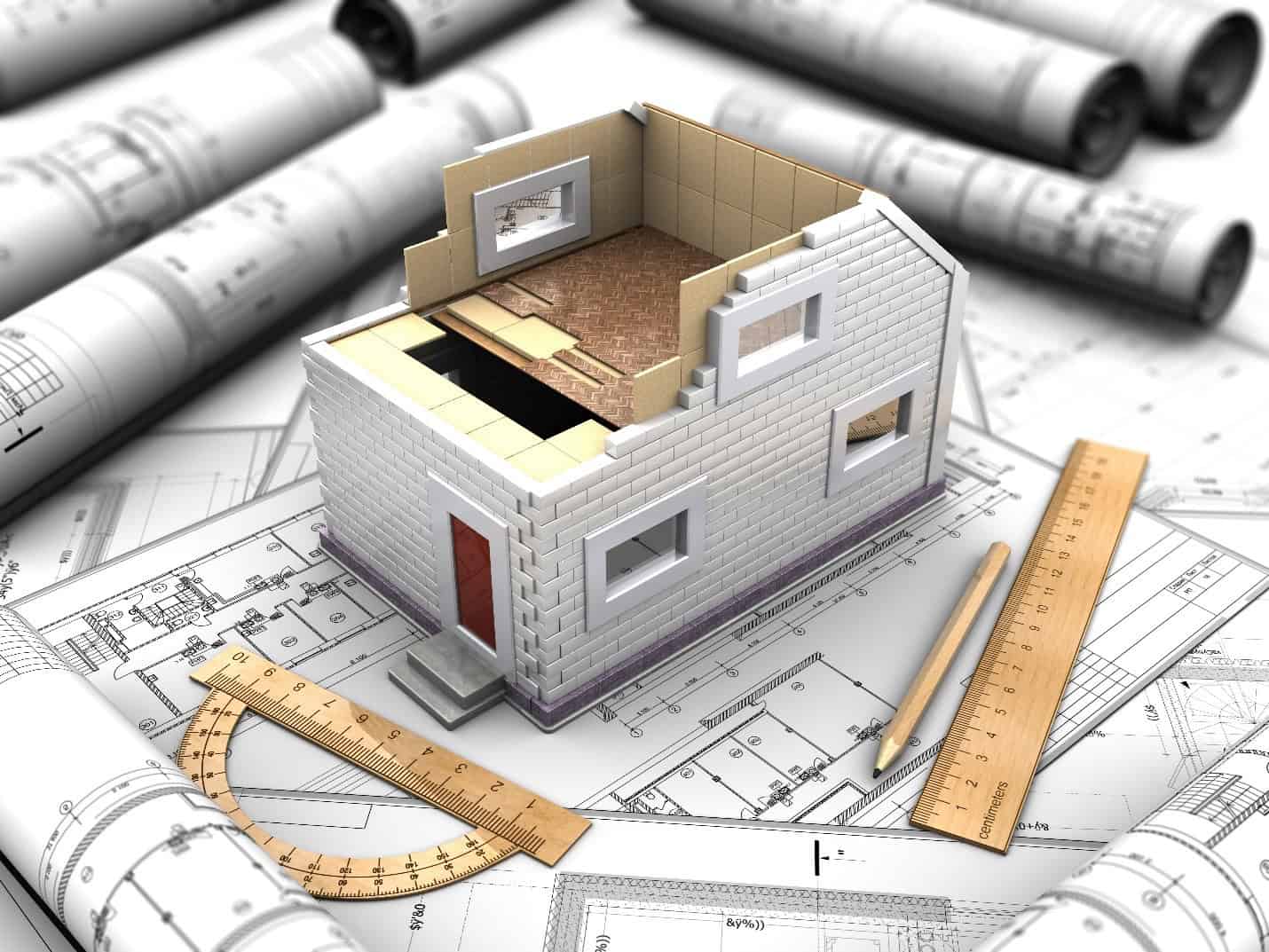
Construction Documents and Building Permits
Construction documents are
required for financing, building permits and the construction of the house
addition.
These documents consist of
architectural home plans, engineering plans and a property survey.
Deed Restrictions
The deed restrictions are
the documents created by the neighbor developer and enforced by the Homeowners
Association (HOA) to enforce. They often include submitting the design
improvements to the HOA for approval before the City of Houston will accept the
owners building permit application.
Property Survey
The property survey is required
to demonstrate how the house addition will layout on the lot without impeding
upon property setbacks or easements.
In some cases when the project
is large and consumes much of the natural uncovered yard, the city will require
a drainage plan.
Architectural Design Plans
The architectural home plans
provide the home addition contractors the specifications and direction for
constructing the addition.
These plans will include the
floor plans, profile elevations, casework drawings and wall sections for building
design.
Soil Report & Structural Engineering Plans
The soil report is conducted by
a geotechnical engineer and provides the alternatives for the foundation
design. The structural engineer then uses the information from the report to
design and develop the drawings for the foundation.
The structural engineer also
develops and designs the details for the frame structure. These two structural
drawings are designed together and the structures are interdependent to
function properly.
Construction Cost Budget
Once the construction documents
are complete the remodeling contractor will prepare a construction
cost estimating budget to formulate the construction proposal
contract.
The budget consists of the total cost to build the house addition.
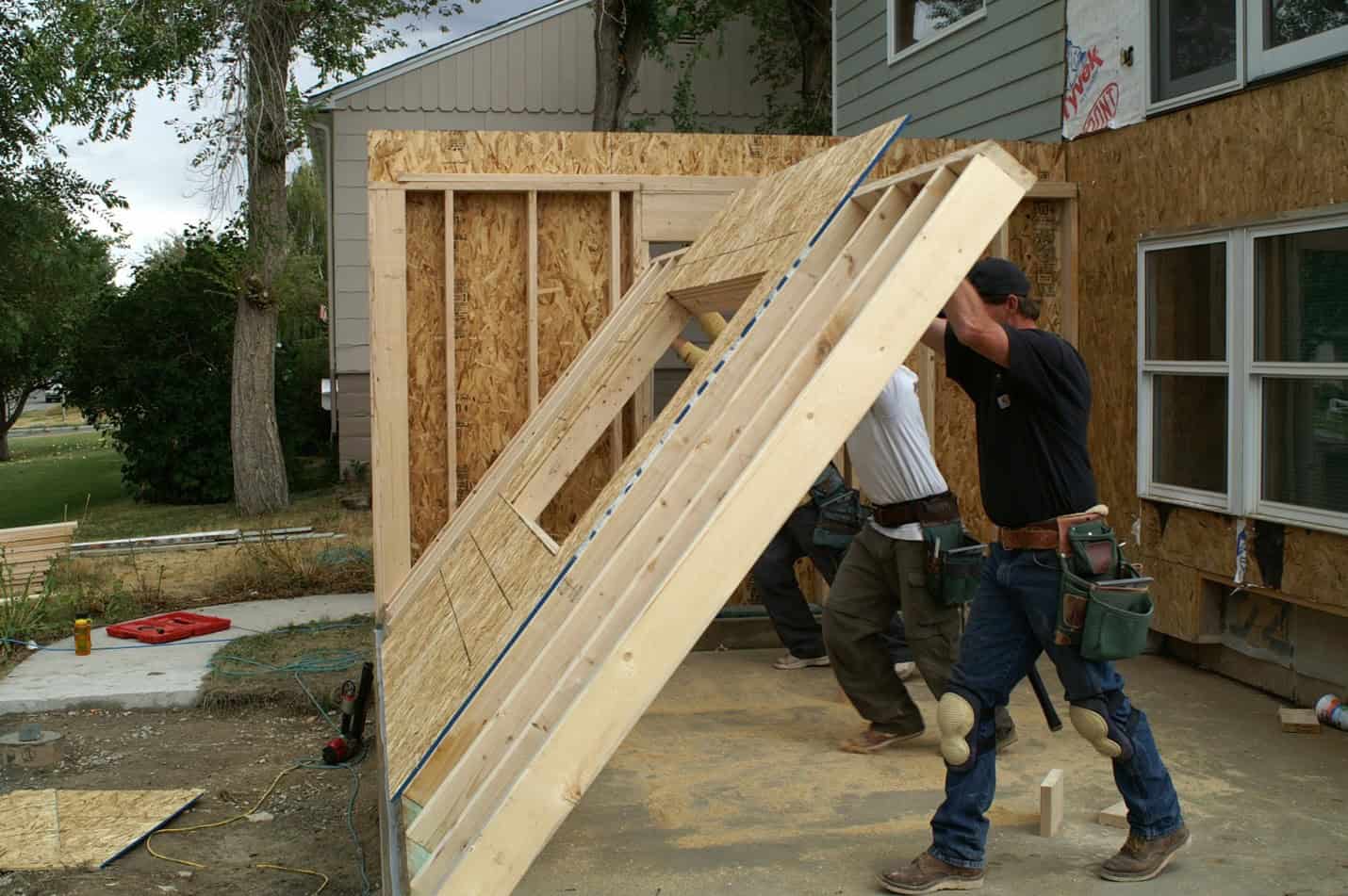
Construction of a House Addition
The construction of the house
expansion is the stage where the cost of the home addition is realized.
House expansion construction is
similar to the new construction of a home, from foundation placement through
finalizing the punch list.
The tricky part of the
construction is closing in the envelop before removing the exterior of the
existing space. The house addition should be weather tight at this point.
One final word regarding the
best results for expanding your home’s envelope, the quality of the execution
comes down to the contractors
for home additions that your hire.
Conclusion
The cost for a home addition
consists of all direct and indirect expenses associated with the construction
of the room addition.
The construction budget is the
financial roadmap for executing the project while remaining on budget.
For additional insights
regarding expanding your residence visit our home
addition guide.



Comments
Post a Comment